01 Welcome to the corner
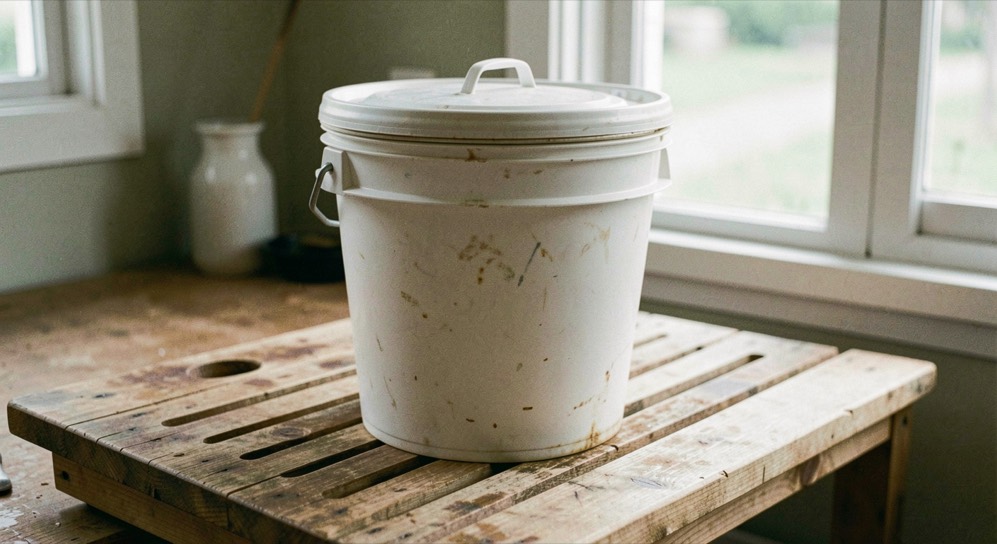
This shelf gathers everything we publish about turning simple ingredients into pintable beer at home. The approach follows the old shop counter habit of Cambridgeshire brewing supplies: start people on reliable methods, explain why each stage matters, and let curiosity pull them deeper than any advertisement could. Nothing here assumes you own a shed full of stainless steel. Most successful batches in Britain began beside a washing machine with a plastic bucket and a kit tin.
The pieces below answer the questions that arrive first: how a beer kit actually behaves from tin to tap, how an everyday bitter earns its malt back, and what patience at bottling really buys you. We keep the language honest, the claims modest and the geography domestic, because fermentation rewards attention far more than it rewards equipment envy.
When you want wider context around ingredients or testing, walk through to the ingredients shelf or learn how a hydrometer speaks. And when a batch goes strange rather than wonderful, the off-flavour dictionary will usually name the culprit gently.
02 What sits on this shelf
Every piece below belongs to this corner permanently rather than visiting from elsewhere on the site. Dates read newest first, each summary says what its piece settles, and nothing here expires quietly into an archive nobody visits twice.
-
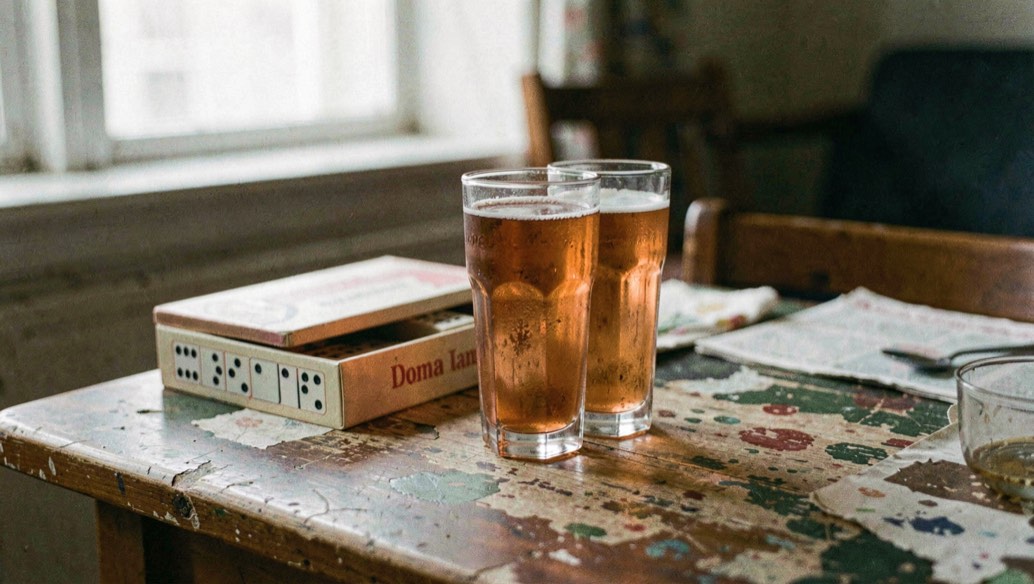
Everyday bitter on kits
An everyday bitter from a kit tin: respecting the printed balance, choosing refinements that carry no risk,.
- Home Brewing
-
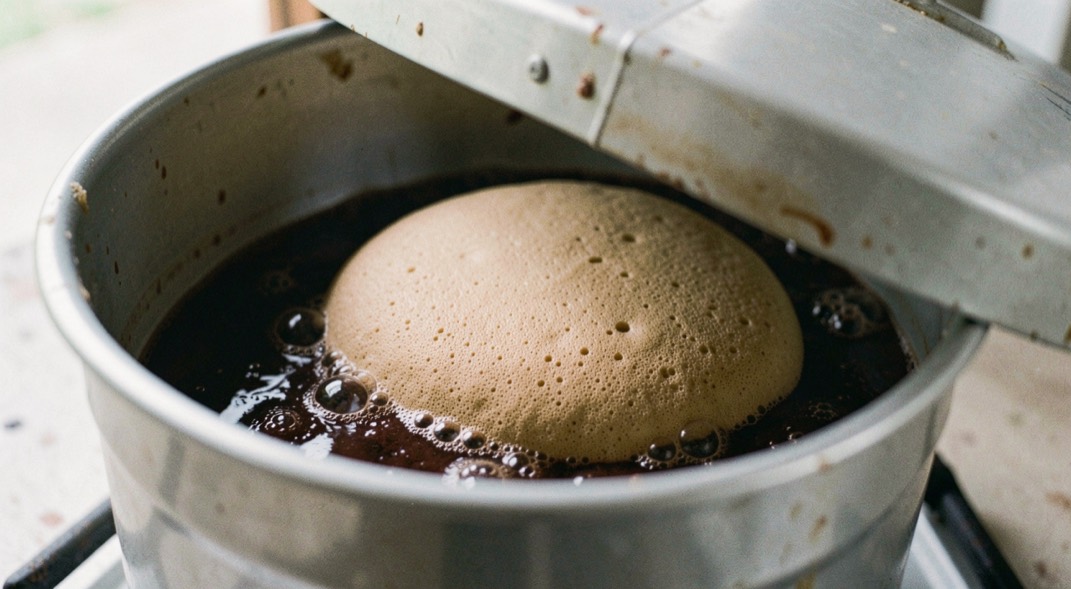
Using a beer kit
How to use a beer kit from tin to tap: warming the extract, placing the fermenter sensibly and giving bottles.
- Home Brewing
-
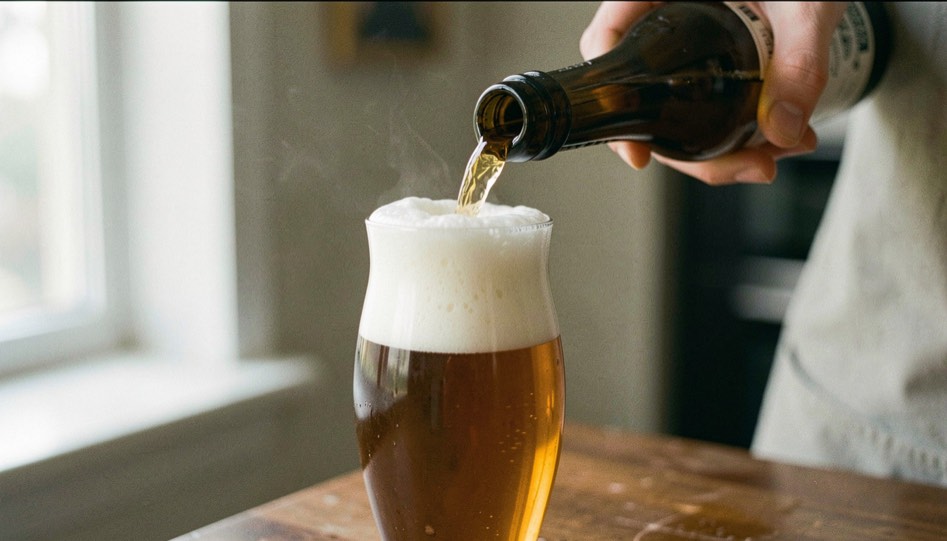
Bottle conditioning times
What bottle conditioning does inside every bottle, how warmth and strength move the timetable, and how to.
- Home Brewing
03 Reading onward
Neighbouring corners continue the tour when this shelf runs dry, and the [[/about/|magazine about page]] explains how pieces are chosen and made.