01 Why bitter rewards restraint
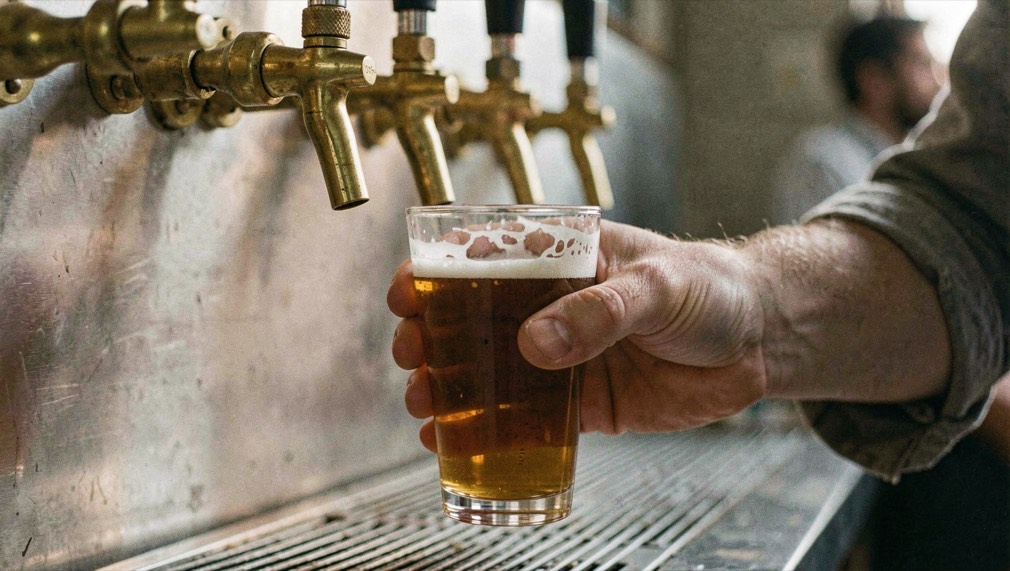
Bitter earned its throne through balance rather than spectacle. Malt carries suggestions of toast and biscuit, hops answer with earthy counterpoint, and neither voice shouts down the other. Kit makers understand this settlement deeply, which explains why enthusiastic improvisation often flattens formulas proven across thousands of pub evenings before reaching your shopping trolley.
Improvement therefore lives mostly in execution rather than addition. Dissolving properly, fermenting steadily and conditioning patiently transform identical ingredients between forgettable and memorable. Doubters can settle it personally: brew the same kit twice, once carelessly and once attentively, and let the difference argue better than any written persuasion could.
02 Refinements that respect the recipe
Water chemistry debates divide forums enthusiastically while beginners gain more from clean fresh supplies than mineral speculation. Some brewers stir in a modest spoonful of spraymalt toward body when their printed recipe allows headroom for it, a kind gesture worth measuring sparingly because creeping sweetness undermines the very axis bitter depends upon.
Hop curious readers should study the hop variety families before adding anything aromatic late, since complementary choices flatter while clashing ones quarrel. When ambition turns toward controlling sweetness from first principles, our mashing walkthrough opens that doorway properly, and honest weighing of formats continues across malt extract versus grain.
| Move,Likely effect,Watch for | ||
|---|---|---|
| Faithful execution alone | Reliable uplift | Nothing except impatience |
| Modest body supplement | Rounder mouthfeel | Sweetness creeping past balance |
| Sympathetic late aroma | Fresher nose | Clashing family choices |
| Full recipe rewrite | Adventure | Losing the ballgame occasionally |
03 Serving choices that flatter the style
Bitter drinks best slightly warmer than modern lager habits suggest, near the old cellar temperatures it was designed around. Chilled too hard, malt toastiness goes quiet and the glass reads hollow, like conversation conducted through a wall. Pour briskly, expect a modest ivory collar rather than lager snowdrifts, and let a second short top up lift settled brightness properly.
Pairings stay deliberately homely: pork pies, pickled eggs, Sunday leftovers reinvented. That absence of ceremony defines the style rather than diminishing it. Brewers assembling a season can see how everyday batches anchor the schedule alongside showpieces within our autumn calendar notes, foundations quietly holding stronger ambitions aloft.

04 Desk margin notes
Letters sometimes report perfect technique producing dull pints, and the culprit hides in the glass cupboard more often than the kit tin. Washing up liquid residue kills head retention silently, mimicking flat recipes unfairly. One extra rinse, properly dried glasses, and suddenly familiar kits pour like better ones.
Serving ambition deserves small experiments too. Try the same bitter in two temperatures across one evening and record which glass empties first among honest friends. Household evidence assembled this way settles serving debates permanently, without anybody surrendering opinions publicly or rearranging furniture around thermometers dramatically.
Kit vintage matters quietly here. Tins approaching best-before dates deliver paler hop character than freshly stocked shelves, so rotation at shops applies at home equally. Buying two and brewing promptly beats hoarding a favourite toward diminished returns nobody announces formally.
Winter kitchen note worth pinning somewhere visible eventually: cellar-cooled bitters settle brighter between weekends, meaning party crates bottled midweek pour their best precisely when Friday guests arrive hungry, thirsty and mercifully undemanding regarding lecture length beforehand.